




Written by Elisa Regulski
Who uses non-latex condoms?
Non-latex condoms are the rubber of choice for those with latex allergies. However, they’re not second-rate condoms by any means.
In fact, many people who don’t have latex allergies prefer non-latex condoms. Latex alternatives feel softer and more natural, and they transfer heat better. That means you feel more of your partner and less of the condom.
There are many non-latex materials to choose from, and they all have their perks and drawbacks. Some brands are also more trustworthy than others.
In this article, we’re going to cover everything you need to know about latex alternative condoms, including:
👉 Whether you should use a non-latex condom
👉 Non-latex materials (with pros and cons)
👉 Our top picks for non-latex condoms
👉 How to take care of non-latex condoms
But first, here are a few basics you need to know before you buy non-latex condoms...
Non-Latex Condom Basics
If you’re going non-latex, there are a few things you need to know:
- Non-latex condoms do not contain any natural rubber. They are safe for people with latex allergies.
- Non-latex condoms can be made of synthetic polyurethane, polyisoprene, or natural lambskin.
- Non-latex condoms are just as effective as latex condoms at preventing pregnancy. They have a 98% success rate when worn correctly.
- Polyurethane and polyisoprene non-latex condoms are as effective as latex condoms at preventing STI transmission. But lambskin condoms DO NOT protect against STIs.
- Non-latex condoms go by many names. On product packaging, you might see "non-latex," "latex-free," "Does not contain latex," or "Not made with natural rubber latex." All of them are perfectly fine for the latex allergic among us.
- Non-latex condoms feel different than latex condoms. But that’s not a bad thing. Some people prefer them, and others like to switch to non-latex for a different sensation.

Why Use a Non-Latex Condom?
The most common reason for using a non-latex condom is to prevent an allergic reaction to latex.
A small fraction of the population has a serious latex allergy. But many more have minor reactions that can still make sex uncomfortable.
If you feel a little itchy down there or develop a rash or redness after wearing a condom, you might have a latex allergy.
If you experience discomfort around your naughty bits during or after sex with a latex condom, try a non-latex condom next time and see if you notice a difference.
Click here to shop our selection of Non-Latex Condoms.
Are there any other reasons to use a non-latex condom?
Another reason to choose a latex-free condom is for the difference in sensation. Different materials mean different feelings against your skin and your partner’s body.
For example, polyisoprene is known for being softer than latex and having a smooth, skin-like feel. Polyurethane is better at transferring heat, so you’ll feel more of your partner’s natural warmth.
Good sex is all about spontaneity, variety, and new sensations. Non-latex condoms bring something different to the bedroom while offering the same protection as latex.
What Are Non-Latex Condoms Made Of?
Non-latex condoms aren’t just made of one material. They are normally made from one of the following three materials:
Polyurethane condoms
Pros:
- Excellent heat transfer
- Thinner barrier
- Highly durable and long-lasting
- Odor-free
- Safe with all types of lube (including oil-based)
Cons:
- Not as stretchy as latex
- A looser fit may be uncomfortable for some
- Slightly more prone to breaking and tearing
- Expensive
Polyurethane is a synthetic plastic material that acts similar to latex but without the allergy-causing elements.
Polyurethane condoms tend to cost a bit more, but they’re thinner and better at transferring heat than latex condoms. If you’ve never tried one before, you’ll notice a big difference in sensation—in a good way.
However, polyurethane isn’t ideal for every guy’s knob. The material is not as stretchy or form-fitting as latex, so there might be some fitting issues such as bagginess or bunching.
Bottom Line: Polyurethane condoms are a solid non-latex option for those with allergies. They protect against pregnancy and STIs just as well as latex condoms. For non-allergic users, we recommend polyurethane for a change-up in sensation once in a while, but not as a go-to condom.
Polyisoprene condoms
Pros:
- Just as stretchy as latex
- Super soft and skin-like
- Resistant to breaks and tears
- Affordable
Cons:
- Thicker barrier than latex and polyurethane
Polyisoprene is a synthetic rubber material that is stretchier and softer than polyurethane. It’s the most common non-latex condom material because it’s easy to manufacture, and it’s just as reliable as latex.
Another big perk is that it’s cheap, so allergy sufferers won’t have to blow a wad of cash just to blow their load.
If you don’t have a latex allergy, you may still enjoy these condoms for their silky soft feel that mimics your partner’s skin.
On the downside, they are a bit thicker, so you may trade some sensation for more condom comfort.
Bottom Line: Polyisoprene condoms are the best option for allergy sufferers looking for a middle-ground between latex and polyurethane. They’re also comfy condoms in general, so keep a few around whether you have allergies or not.
Our favorite polyisoprene condoms:
LifeStyles SKYN Original Condoms (Latex-Free)
$9.99
$12.99
LifeStyles Skyn Condoms LifeStyles Skyn latex-free condoms were made for people with latex allergies. But then something unexpected happened. Skyn started selling like crazy to condom users across the spectrum. Skyn polyisoprene condoms bring a new level of closeness to… Read More
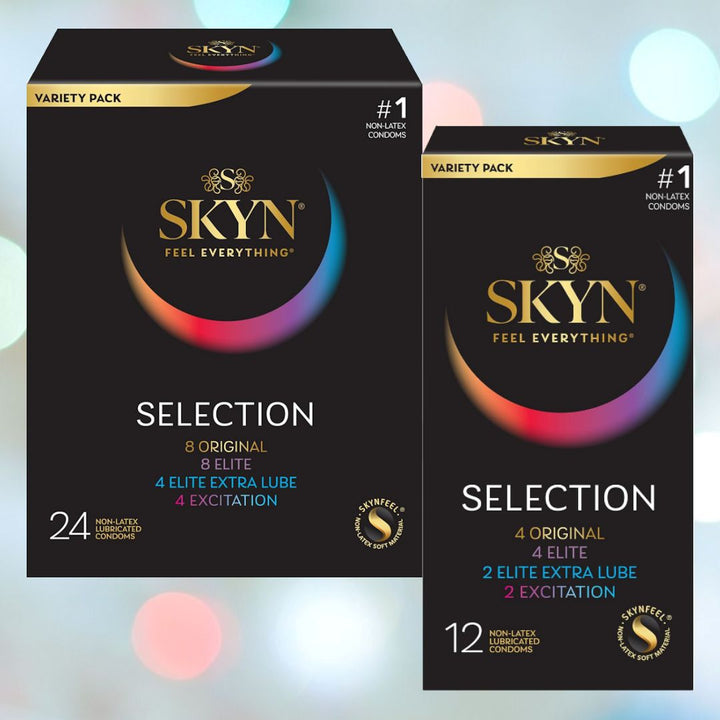
LifeStyles SKYN Selection Condom Variety Pack (Latex-Free)
$11.99
$13.99
LifeStyles SKYN Selection Condom Sampler If you want to try a variety of different polyisoprene non-latex condoms, the SKYN Selection Condom Pack is for you! LifeStyles SKYN Condoms are Made with Polyisoprene, not Latex SKYN Premium Polyisoprene Lubricated Condoms… Read More
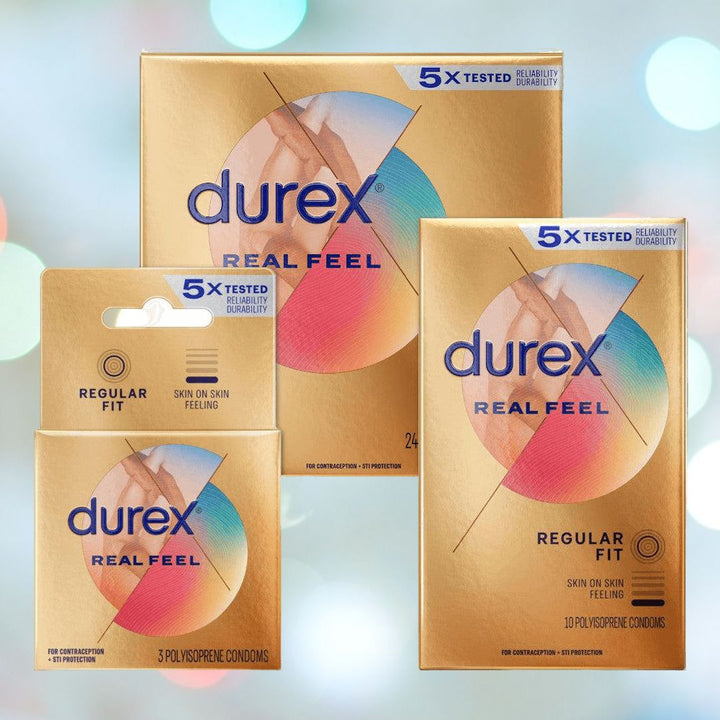
Durex Avanti Bare Real-Feel Condoms (Latex-Free)
$4.99
$5.99
Durex Real-Feel Latex-Free Condoms Durex has mastered the non-latex condom with this polyisoprene alternative that mimics the feel of real skin. This synthetic rubber isn’t quite as stretchy or thin as latex, but it has a major advantage—it transfers heat… Read More
Lambskin condoms
Pros:
- Nothing’s-there feel
- Increased sensitivity
- All-natural
- Best heat transfer
- Can be used with all types of lube (including oil-based)
Cons:
- Do not protect against STI transmission
- Have an odor that some don’t like
- Shorter shelf-life
- Very expensive
Lambskin condoms are the only natural (non-synthetic) non-latex condoms. They’re made from lamb intestines.
While this might give you the heebie-jeebies at first, you’ll change your mind after you try one.
Lambskin condoms are considered the cream of the crop for sensation. They practically merge with your skin, letting you feel EVERYTHING.
Lambskin condoms are softer and thinner, and they transmit more heat than both of the above options. They’re also just as effective at preventing pregnancy.
So what’s the downside? Lambskin WILL NOT protect against STIs, so it’s not an ideal condom for one-nighters. They’re also restrictively expensive.
The Bottom Line: Lambskin is a premium non-latex condom for those in relationships. They’re great for allergy sufferers and anyone else who wants to get as close as possible to the real thing. But they are not safe for casual sex.
Click here for a deeper dive into our favorite non-latex condoms from top brands like Durex, Trojan, and LifeStyles.
Are Non-Latex Condoms Safe?
Yes! Non-latex condoms are safe. All of the condoms and materials we’ve listed above have been approved by the FDA and NHS for preventing pregnancy. And, all but the lambskin condoms are approved for STI protection.
However, like any condom, non-latex condoms are only effective if you use them correctly.
For general condom know-how, check out our Condoms 101 guide here.
Below, we’ll add a few tips to help you stay safe when using non-latex alternatives:
- Make sure to buy the right size non-latex condoms. Some materials are not as flexible or form-fitting, so they can easily leak or slip off if they don’t fit well. Learn how to measure your manhood and find your condom size here.
- Never use lambskin condoms for casual sex. They don’t protect against STI transmission.
- Use the right lube. Polyurethane and lambskin condoms are safe to use with any lube, but polyisoprene condoms can’t be used with oil-based lube. Water-based lubes are recommended. Find a safe lube here.
- Always check the expiration date of your non-latex condoms. Some materials have limited shelf lives.
- Studies have found that non-latex condoms are slightly more prone to breaking during sex. Make sure to keep an eye on your condom, just in case.

Taking Care of Non-Latex Condoms
You can store and take care of your non-latex condoms in the same way as latex ones. Though, there are a few extra tidbits to be aware of.
The basics include:
👉 Store your condom in a cool, dry place
👉 Avoid friction from a wallet or pocket
👉 Keep condoms at room temperature
👉 Avoid light exposure, as light can destroy condoms fast
👉 Never use a condom after its expiration date
When using non-latex condoms, you need to be extra careful. Here’s why:
👉 Friction can do extra damage: Because non-latex condoms are not as stretchy and flexible as latex, there is more potential for damage if your condom experiences a lot of friction while in the package. Keep non-latex condoms in a friction-free environment until you’re ready to use them.
👉 Non-latex condoms can break down faster: Some non-latex condoms, especially lambskin condoms, can break down faster over time. If you leave them in extreme heat or under intense light, they might not be safe to use even before the expiration date. A good place to keep them is in a sock drawer.
If you follow the basic condom storage instructions on every box of rubbers, your non-latex condoms will be ready when you are.
Non-Latex Condoms FAQs
What is a non-latex condom?
A non-latex condom is any condom that doesn’t contain natural rubber latex. If you have a latex allergy, non-latex condoms are safe to use for all types of sex.
There are multiple types of non-latex condoms. Some are made of synthetic rubber-like polyurethane condoms and polyisoprene condoms. Others are made of natural non-latex materials like lamb intestines.
What’s the difference between a non-latex condom and a latex condom?
The primary difference between latex condoms and non-latex condoms is the sensation you feel when you wear them.
Latex is stretchier and more flexible, so it form-fits to the penis for a secure and comfortable fit.
However, non-latex materials have their advantages too. Non-latex condoms are better at transferring heat, so you’ll feel your partner’s natural warmth. Some are also softer and thinner, boosting sensation and comfort.
Latex condoms and non-latex condoms are both 98% effective at preventing pregnancy. Non-latex condoms also prevent STI transmission, except for lambskin condoms.
What is the best non-latex condom?
Each non-latex condom has its benefits and drawbacks. The best one depends on your needs.
For the best in luxury comfort, you can’t beat lambskin condoms. They feel almost like nothing’s there. But they’re expensive, and they don’t protect against STI transmission.
For an ultra-thin option, polyurethane condoms are the best. They protect against pregnancy and STIs, and they excel at heat transfer. Try SKYN Original non-latex condoms.
A good middle-ground non-latex condom is one made of polyisoprene — stretchy, soft, affordable, and very comfortable. Try LifeStyles SKYN Original Non-Latex Condoms.
Where can I buy non-latex condoms?
Condomania.com is the best place to buy non-latex condoms online. Condomania was the first condom shop in the USA, established in 1991 in New York City.
Shop non-latex condoms now at Condomania. All orders include free shipping (under $50 minimum) in discreet packaging.
Can you get pregnant with non-latex condoms?
Non-latex condoms are 98% effective at preventing pregnancy when worn correctly. If not, the failure rate could be as high as 15%. That’s why it’s best to brush up on your condom safety basics.
What lube can you use with non-latex condoms?
You can always use water-based lube with non-latex condoms. But some non-latex condoms can be used with other lubricants too:
👉 Polyurethane condoms: Water, silicone, and oil-based lube
👉 Polyisoprene condoms: Water and silicone-based lube
👉 Lambskin condoms: Water, silicone, and oil-based lube
Avoid using cooking oil, petroleum jelly, vaseline, and lotion as lube. Those are not meant to go inside the body, and they can cause your condoms to break.
Are there vegan non-latex condoms?
Yes! There are some high-quality non-latex condoms for vegans. We recommend SKYN Elite Condoms and Lifestyles SKYN Original Non-Latex Condoms.